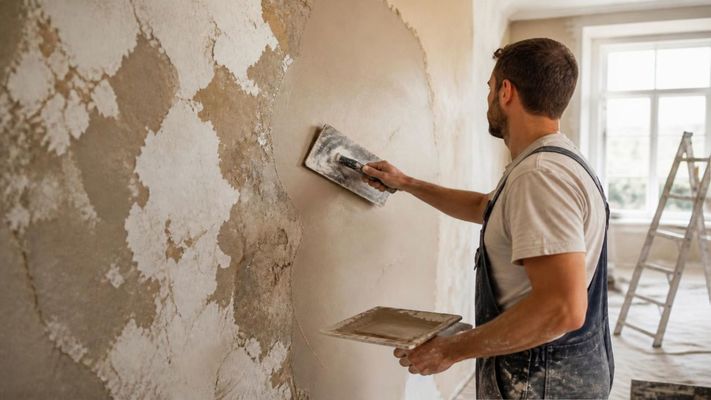
A hairline crack above a doorframe. A bubbling patch near the bathroom. A ceiling stain that keeps coming back after every coat of paint. Plaster problems have a way of starting small and quietly getting worse. The good news is that most of them are fixable, and often without the mess and expense of tearing out an entire wall. That's where professional plaster repair makes all the difference between a patch that vanishes and one that reappears in six months.
Plaster is a remarkable material. Older homes across New England, and many newer ones with veneer finishes, rely on it for strength, sound control, and a smooth look that drywall struggles to match. But like anything, it ages. Settling, temperature swings, vibration, and moisture all take a toll over the years, and knowing what you're looking at is the first step toward fixing it.
Many homeowners try a quick fix with spackle first, and sometimes that works for a tiny nail hole. For anything larger, though, it pays to understand what professional plaster repair actually involves. It isn't just filling a gap. It means finding out why the damage happened, stabilizing the surrounding surface, and rebuilding the plaster so the repair blends in seamlessly once painted.
Common Plaster Problems (and What They Mean)
Not every flaw is equal. Some are cosmetic, while others point to deeper issues. Here are the most common ones:
Hairline cracks: Usually caused by normal settling or seasonal movement. Often cosmetic, but worth monitoring.
Large or spreading cracks: These may signal structural movement or failed plaster keys, and they shouldn't be ignored.
Bulging or sagging plaster: In older lath-and-plaster walls, the plaster can detach from the lath behind it. This is a safety concern, especially on ceilings.
Water stains and peeling: Leaks, condensation, or roof problems are usually the cause. The source must be fixed first.
Holes and dents: From doors, furniture, or old wiring and plumbing work.
Telling a cosmetic flaw from a serious one takes experience. That's one of the biggest reasons homeowners turn to professional plaster repair rather than guessing.
Why DIY Patches Often Fail
The internet is full of tutorials that make plaster work look easy. In reality, plaster behaves differently from drywall compound. It absorbs water unevenly, sets on a clock, and bonds best when the right base coat is used for the specific wall underneath. Use the wrong product and the repair may shrink, crack, or stand out as a visible bump under angled light.
Another common mistake is treating the symptom instead of the cause. If a ceiling stain came from a slow leak, patching over it just hides the problem until it returns. If a crack keeps reopening, there may be movement or loose plaster behind it. A trained plasterer inspects the whole area, taps the surface to find hollow spots, and checks for moisture before touching a trowel.
What the Repair Process Looks Like
While every job is different, a thorough repair typically follows these steps:
Inspection. The plasterer identifies the type of plaster, the extent of damage, and the underlying cause.
Preparation. Loose or crumbling material is removed, edges are cleaned, and the surface is protected from dust.
Reattachment or reinforcement. Sagging plaster may be secured back to the lath, and cracks are reinforced with tape or mesh to keep them from returning.
Base and finish coats. Fresh plaster is applied in layers, each matched to the surrounding wall's thickness and texture.
Blending and smoothing. The surface is troweled and feathered so the repair disappears into the existing wall.
Blending and smoothing. The surface is troweled and feathered so the repair disappears into the existing wall.
Priming and painting. Once cured, the area is sealed and painted to match.
Skipping any step is how you end up with visible outlines, uneven texture, or cracks that come back. The care taken here is what you're really paying for when you hire professional plaster repair.
How Much Does It Cost?
Costs vary with the size of the damage, ceiling height, access, and whether the underlying structure needs work. A few small cracks might be a modest job, while repairing a water-damaged ceiling or a large section of failing plaster costs more. When collecting quotes, ask what is included: prep, materials, cleanup, and painting. A clear, itemized estimate is usually a good sign.
It's also worth remembering that early repairs cost less. A small crack fixed today is far cheaper than a collapsed ceiling section next year. Think of it as maintenance rather than a luxury.
Protecting Your Investment After Repairs
Once the work is done, a few habits help it last. Keep indoor humidity steady, fix leaks quickly, and avoid slamming doors that shake the walls. Repaint with breathable paint where appropriate, and check ceilings and corners once or twice a year for new hairline cracks. Catching changes early makes any future touch-up simple.
Choosing the Right Contractor
Not all repair jobs are equal, and neither are contractors. Look for someone with a solid portfolio, verifiable references, proper insurance, and experience with your specific type of plaster, whether that's traditional lath-and-plaster or newer veneer surfaces. Ask to see completed work in natural light, since that's where sloppy blending shows up. And be wary of quotes that seem far lower than the rest, since corners are usually being cut somewhere.
Good plasterers also communicate well. They explain what's wrong, what they plan to do, and how long it will take, without pressure or jargon.
Final Thoughts
Plaster damage rarely fixes itself, but it also rarely needs to be a crisis. With the right diagnosis and skilled hands, cracks, holes, and stains can disappear so completely that no one would guess they were ever there. Investing in professional plaster repair protects both the look and the value of your home. If you're ready to restore your walls or ceilings, the team at Boston Plastering can assess the damage, explain your options, and deliver a smooth, lasting finish.
Read our latest blog by visiting this link - Veneer Plastering